
Know why the glaze did that, and what to change next firing.
Bone Dry turns Claude, ChatGPT, Gemini or Grok into a studio tech who has seen every glaze fault. Tell it your clay, cone, kiln and what came out, and get the likely cause, the fix to test first, batch weights in grams and a firing schedule to try.
Get Bone Dry Studio Guide for $5 Get grams
$5 once · card, Apple Pay or Google Pay · download in a minute
Into more than one hobby? Get all 70 hobby skills for $19, this one included.
- One-time $5
- Instant email delivery
- 14-day refund
- Works in Claude, ChatGPT, Gemini and Grok
Fault fix: glaze crawling on cone 6 bowls
Electric kiln · commercial stoneware · dipped glaze, applied thick
Cone 6 oxidationDippedTest tiles first
- Cause 1Dust or hand oil on the bisqueGlaze can't grip, then pulls back in the firingLikely
- Cause 2Glaze too thick, cracking as it driedHairline cracks before firing become bare patchesLikely
- FixWipe bisque with a damp sponge, glaze within a dayHandle by the foot onlyTry first
- FixSwap half the raw kaolin for calcined kaolinLowers drying shrinkage of the glaze coatRecipe
- Test3 tiles: thin, normal, thick, on a vertical faceFire with a witness cone on the same shelfCheck
What a good studio tech keeps in their head
One skill, six jobs. Claude, ChatGPT, Gemini or Grok picks the right one from what you ask.
Glaze batch math
Recipes in percent to grams for any batch, additions on top, line blends and how much water to start with.
Cones and firing schedules
Bisque and glaze schedules for electric kilns, cone temperatures and what holds and slow cools do.
Glaze fault fixes
Crawling, crazing, shivering, pinholes, blisters, running and dull surfaces: the cause and what to change.
Clay and shrinkage
Pick a clay body for your cone, size work for shrinkage and fix cracking, warping and S-cracks.
Studio safety
Silica dust, respirators, kiln venting, toxic materials and honest food-safety caveats.
Firing log
Log each firing with cone results and faults, then ask what's working in your kiln.
Ask it like you'd ask the tech at your studio
It tells you what's likely, what to test, and when only a lab can answer.
Crazing means the glaze shrinks more than the clay (high confidence)
As the mug cools, a glaze with a higher thermal expansion than the clay body is pulled into tension and cracks. Delayed crazing a week later is common and tells you the mismatch is real, not a one-off.
Fixes to test, in order
- Raise silica in the glaze by 5 to 10 parts and fire a test. Silica lowers expansion.
- Swap some high-expansion sodium and potassium flux (feldspar, nepheline syenite) for lower-expansion boron or magnesium sources, keeping the melt the same.
- Make sure the clay is fully mature at your cone: an underfired body crazes more.
- Try the glaze on a different clay body. Some bodies and glazes never fit.
On safety, be careful
Crazed liners are weaker, can hold bacteria in the cracks and can leach more if the glaze has colorants like copper or manganese. Many potters treat crazed liners as not for food use. Only a lab leach test of your fired ware can tell you what leaches, so don't sell these mugs for food use until the fit is fixed and tested.
Example answer from the full skill. Your answers depend on what you ask.
Honest about what works
Pottery forums are full of magic fixes. Bone Dry tells you what a test tile will actually show.
- Test tiles firstEvery recipe change goes on test tiles before a full kiln. It plans the tiles with you.
- Food safe needs a testNo recipe is food safe on paper. It explains lab leach testing and never promises a glaze is safe.
- Dust is the real hazardSilica dust causes lung disease. Wet cleaning and a proper respirator come up whenever you mix.
- Your kiln is uniqueCone packs and your own firing log beat any published schedule. It asks what your cones did.
Up and running in two minutes
No app to learn and nothing to install on your computer. It lives inside Claude, ChatGPT, Gemini or Grok.
Buy once
Pay $5 by card, Apple Pay or Google Pay. Your download link arrives by email in about a minute.
Add it to Claude, ChatGPT, Gemini or Grok
Upload the ZIP under Skills in Claude, or the unzipped folder in Gemini. It takes about 30 seconds. In Grok, upload the ZIP, or paste the included paste-in file into a new skill. In ChatGPT, add the included paste-in file to a Project.
Just ask
"Batch 2,000 g of this glaze." "Why are my pots pinholing?" "Slow cool schedule for matte glazes at cone 6."
Pick your app for the exact clicks
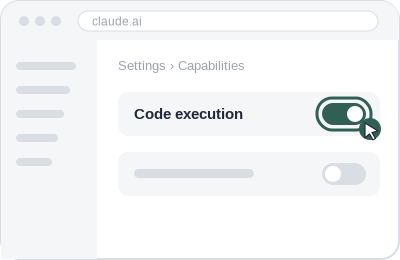
1In Settings, then Capabilities, turn on code execution.
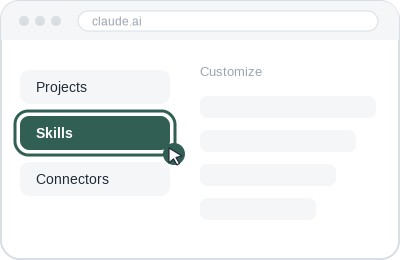
2Open Customize, then Skills.
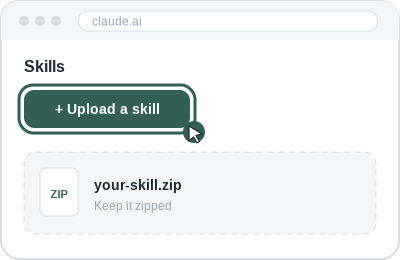
3Click +, choose Upload a skill, pick the ZIP. Keep it zipped.
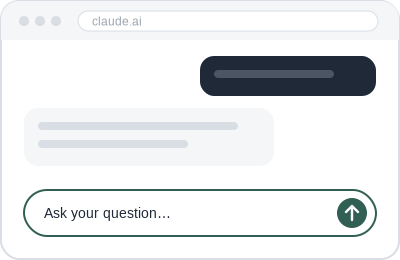
4Start a new chat and ask. Claude picks up the skill.
Works on every Claude plan, including the free one. Free plans have lower usage limits.
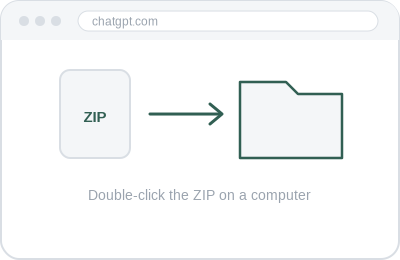
1On a computer, unzip the download and find ANY-AI-PASTE-VERSION.txt.
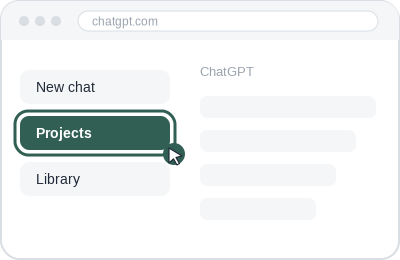
2In ChatGPT, open Projects and make a new project.
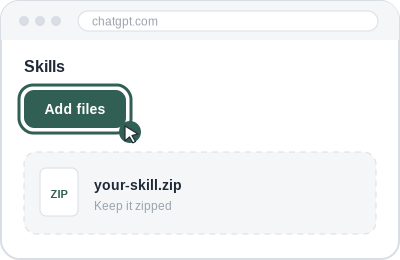
3Add the .txt file to the project. In its instructions, type: Follow the attached file.
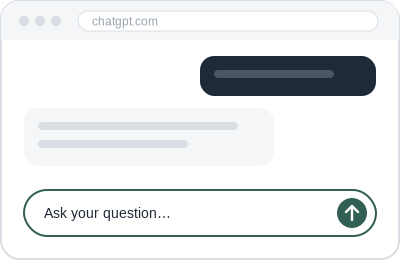
4Start a chat in that project and ask. On a Business, Enterprise or Edu plan, you can upload the ZIP under Skills instead.
Personal ChatGPT plans (Free, Plus, Pro) don't have a Skills page yet, so you use the paste-in version in a Project. On a Business, Enterprise or Edu plan, go to chatgpt.com/skills, choose Add, then Upload from your computer.
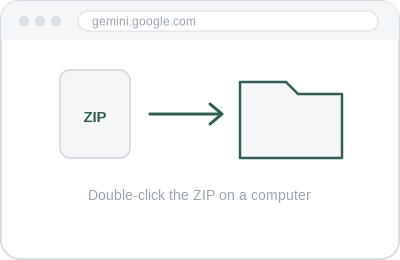
1On a computer, unzip the download. You get a folder.
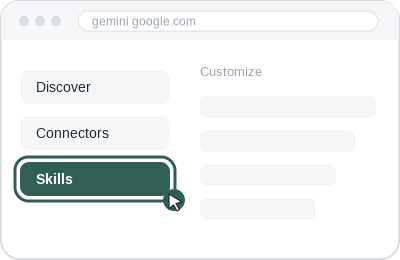
2At gemini.google.com, open Customize, then Skills.
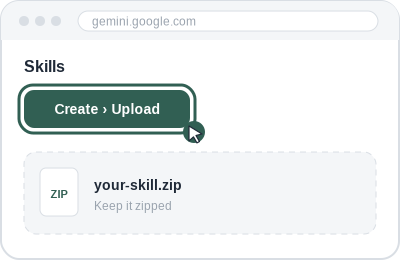
3Choose Create, then Upload, then folder. Pick the unzipped folder.
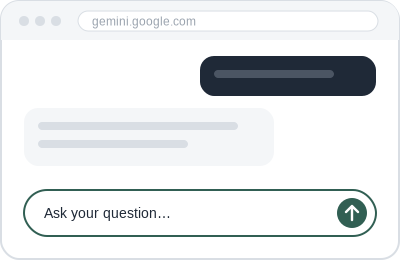
4Start a new chat and ask.
Gemini takes the unzipped folder, not the ZIP. Menus in Gemini change often, so names may differ slightly.
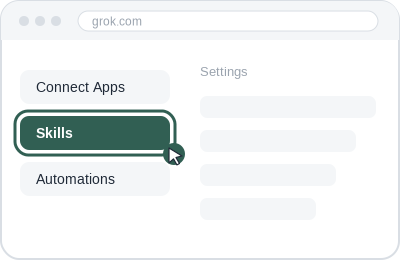
1At grok.com, open Settings, then Skills.
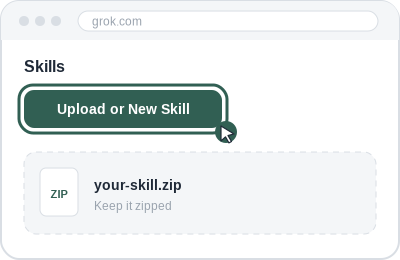
2If you see Upload, pick the ZIP. If you only see New Skill, use the next step.
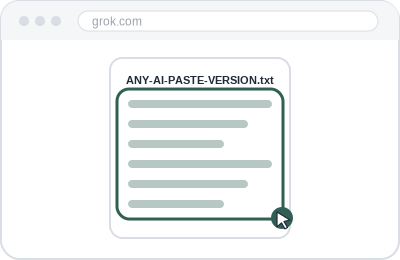
3New Skill: name it, then paste the text of ANY-AI-PASTE-VERSION.txt (below the line of equals signs) into Instructions.
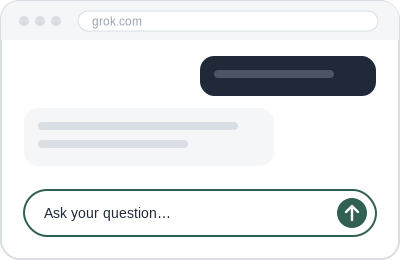
4Save it, start a new chat and ask.
Some Grok plans upload the ZIP; others show a New Skill form, where you paste the skill text in. Menus in Grok change often, so names may differ slightly.
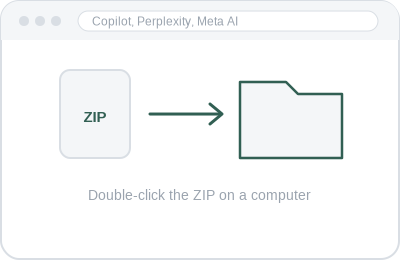
1No Skills page? Unzip the download on a computer.
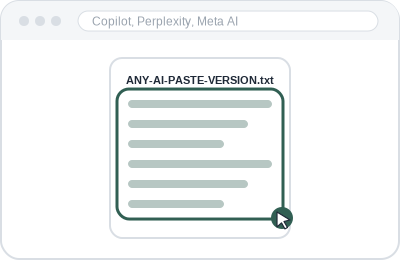
2Open ANY-AI-PASTE-VERSION.txt and copy everything.
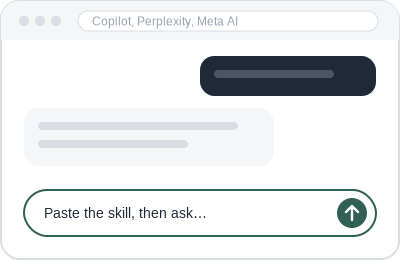
3Paste it into a new chat, then ask your question.
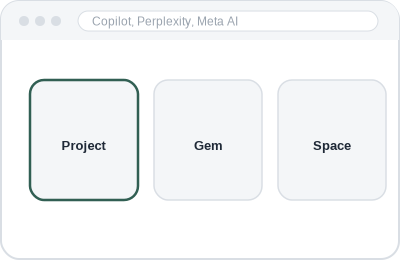
4To keep it on, add it to a ChatGPT Project, Gemini Gem or Perplexity Space.
Using Claude Code, Codex, Cursor or another coding agent? Unzip it into the skills folder, for example unzip bone-dry-studio-guide.zip -d ~/.claude/skills/
On your phone? Go ahead and buy: the download link goes to your email and works for a year. Adding a skill is easiest from a computer, in a web browser or the desktop app, so open that email there when you're ready. Want to try it on your phone today? Open the ZIP, copy ANY-AI-PASTE-VERSION.txt into any chat app, and ask.
Start with the free Fault Finder
A small skill that diagnoses one glaze or clay fault from what you saw and gives the likely causes and the fixes to test first.
- Crawling, crazing, pinholes, shivering and more
- Causes ranked by how likely they are
- One test tile plan to confirm the fix
Get Bone Dry Studio Guide
Pay once, use it whenever you need it. Includes the free Fault Finder too.
How to add it
Upload the ZIP under Skills in Claude, or the unzipped folder in Gemini (in Grok, upload the ZIP or paste the paste-in file into a new skill; in ChatGPT, add it to a Project), then start a new chat and try: "My cone 6 glaze crawled on the inside of three bowls. I dipped them in a commercial glaze on stoneware. What went wrong?"
See the clicks for your app. Every download also comes with a paste-in version for any other chat, and a Start Here PDF.
Step-by-step guides with pictures: Claude · ChatGPT · Gemini · Grok
Bone Dry Studio Guide
Batch glazes, plan firings, fix faults and work safely.
$5 one time
- Glaze batch math with additions and line blends
- Bisque and glaze firing schedules for electric kilns
- Diagnosis for 15+ glaze and clay faults
- Clay body, shrinkage and drying help
- Studio safety and food-safety testing guide
- Firing log and pattern review
- Updates for a year
Card, Apple Pay or Google Pay through Stripe. Taxes calculated at checkout. 14-day refund.
Giving it as a gift? Buy it, forward the email, and print a gift card.
See a real answer from the full skill
You ask: My glossy cone 6 liner glaze is crazing on mugs a week after firing. Is it still safe to drink from?
Crazing means the glaze shrinks more than the clay (high confidence)
As the mug cools, a glaze with a higher thermal expansion than the clay body is pulled into tension and cracks. Delayed crazing a week later is common and tells you the mismatch is real, not a one-off.
Fixes to test, in order
- Raise silica in the glaze by 5 to 10 parts and fire a test. Silica lowers expansion.
- Swap some high-expansion sodium and potassium flux (feldspar, nepheline syenite) for lower-expansion boron or magnesium sources, keeping the melt the same.
- Make sure the clay is fully mature at your cone: an underfired body crazes more.
- Try the glaze on a different clay body. Some bodies and glazes never fit.
On safety, be careful
Crazed liners are weaker, can hold bacteria in the cracks and can leach more if the glaze has colorants like copper or manganese. Many potters treat crazed liners as not for food use. Only a lab leach test of your fired ware can tell you what leaches, so don't sell these mugs for food use until the fit is fixed and tested.
Into more than one hobby? The Skill Pass gets you all 70 hobby skills, this one included, for $19.
New to AI skills?
Bone Dry is a skill: a set of expert instructions you add to your own Claude, ChatGPT, Gemini or Grok account, so it answers like a studio technician who knows the craft.
- Using Gemini? Unzip it and upload the folder on its Skills page. Using Grok? Under Settings, Skills, upload the ZIP or paste the paste-in file into a new skill. Using ChatGPT? Add the included paste-in file to a Project.
- New to all of them? Claude is an AI assistant made by Anthropic. Make an account at claude.ai: skills work on every Claude plan, including the free one, with code execution turned on in Settings, Capabilities.
- Try the free Fault Finder skill first. If you like it, the full skill is one purchase.
Not ready for an AI app? The free glaze batch calculator on this site works in any browser, no account needed.
Free pottery tools
No sign-up, they run in your browser.
Made by Nic Hubert, What If Labs
I run What If Labs from British Columbia, Canada. I build each skill with AI help and test it on real questions, and a separate reviewer checks it before it goes on sale. If it doesn't do what this page says, email me at hello@whatiflabs.ai and I'll fix it or refund you.
No reviews yet: this store is new. Tell me how it went and I'll use it to make the skill better.
Questions
What kinds of pottery does it cover?
Wheel throwing and handbuilding, earthenware, mid-range and high-fire stoneware and porcelain, electric kiln firing in depth, and the basics of gas reduction, raku and pit firing. It works with commercial glazes as well as glazes you mix from recipes.
Can it tell me if my glaze is food safe?
No one can from a recipe alone. It can point out materials and faults that raise the risk, like crazing, copper or manganese in a liner glaze, or an underfired glaze, and explain how lab leach testing works. For ware you sell or give for food use, test the fired pieces.
Does it know my kiln?
It doesn't know your kiln until you tell it. Give it the make, the controller and what your witness cones did, and it adjusts schedules to fit. Always follow your kiln maker's manual for wiring, clearances and venting.
Can it calculate glaze chemistry like UMF?
It explains UMF and what silica to alumina ratios and fluxes do, and can reason about why a glaze behaves as it does. For exact oxide analysis it suggests glaze software with your materials' real analyses.
What do I need to use it?
A Claude, ChatGPT, Gemini or Grok account. In Claude it works on any plan, including the free one, with code execution turned on (Settings, Capabilities). Free accounts have lower usage limits, so long planning sessions go further on a paid plan. It works in Claude on the web, the desktop app and Claude Code. In Gemini and Grok, upload it on the Skills page. In ChatGPT, personal plans (Free, Plus, Pro) don't have Skills yet, so you add the included paste-in file to a ChatGPT Project; Business, Enterprise and Edu plans can upload the ZIP under Skills. Coding agents that read SKILL.md files work too. Using Copilot, Perplexity, Meta AI or another chat with no Skills page? Every download includes a paste-in version (ANY-AI-PASTE-VERSION.txt) that works in any AI chat.
What if it doesn't work for me?
Email hello@whatiflabs.ai within 14 days of buying and we'll refund you in full. No forms, no questions.
How is this different from just asking an AI?
A general AI answer is often vague or skips steps. The skill gives your AI an expert's method: what to ask you first, the checklists and calculations to run, and the mistakes to warn you about. You get consistent, specific answers instead of a different guess each time.
Do I pay every month?
No. It's a one-time price, and updates to the skill are free.
Can I get a refund?
Yes. Every purchase comes with a 14-day refund, no questions asked. Reply to your receipt email and we'll take care of it.
What if it gets something wrong?
It shows its working, so you can check numbers and dates. Tell it what's off and it will correct itself. For anything where a mistake costs money or safety, double-check before you act, as you would with any advice.
Is my information private?
The skill runs inside your own Claude, ChatGPT, Gemini or Grok account, and we never see your chats. When you buy, Stripe handles the payment and we keep your email and order so we can send the download. The terms and privacy page has the details.